Press Release
For Immediate Use
Dundee, Scotland: A conference organised by the Baha’i Council for Scotland aimed to equip and assist young people across Scotland, to bring a positive change in them and in their respective communities.
The youth conference, held in Dundee from 31 October to 2 November, focused on how to bridge gaps, build friendships and become better citizens of our communities and societies. It was a follow up to a larger series of international events organised by the Baha’i community which over fifty thousand young people from all around the world attended.
The material used in the conference was inspired by the founder of the Baha’i faith, Bahá’u’llah, who taught his followers to treat fellow beings with love and respect.
The participants of the conference were aged between 18 and 30. They came from different faiths, backgrounds, races, religions and cultures, and all participated with eagerness and interest.
The group was encouraged to reach out to children in the formative age range of 12-15 who may need support, advice and guidance from their older peers, to help them make good choices, improve their situation and improve their communities.
The attendees were asked to model plans to build up a society, which was then presented to the whole group.
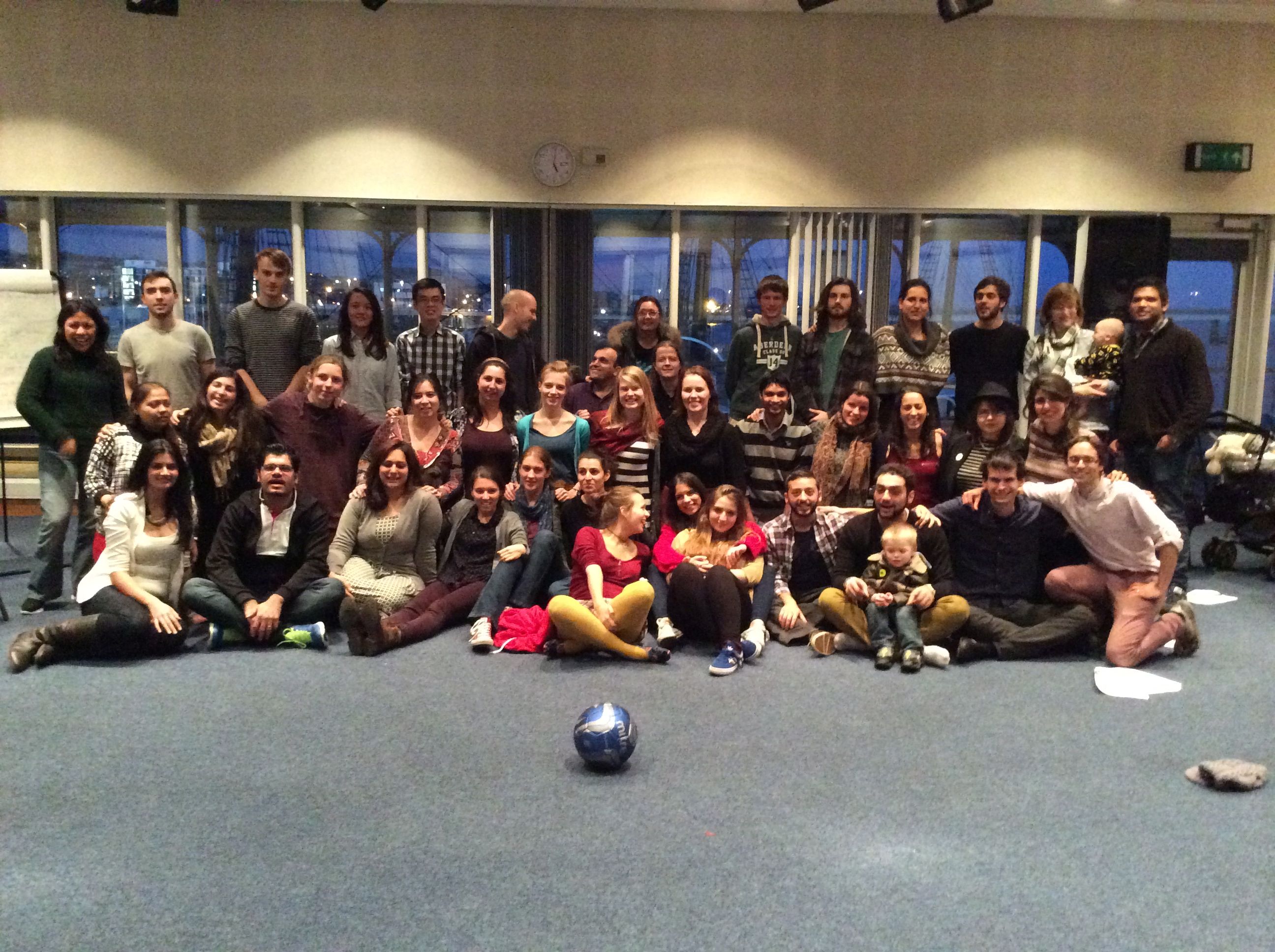
Participants of the Baha’i Youth Conference Dundee 2014
Global Minorities Alliance Chief Executive, Manassi Bernard, said of the event:
“Youth is the future of our world. We need to invest our resources, time and support into such positive community led initiatives where their potential can be maximised and their efforts appreciated to bring a change.
Vice-Chairperson of the Alliance Shahid Khan, who also attended the conference on behalf of the Alliance, added:
“We are thankful for this wonderful opportunity given by the Baha’i Council for Scotland, which has engaged our youth in a positive, constructive and useful manner.”
Mr Khan also applauded the spirit of the Baha’i community which extends the values of tolerance, respect and understanding to people of all backgrounds.
Allan Forsyth, Secretary of the Bahá’i Council for Scotland, said that “it was so encouraging to see youth coming together with a desire to make a difference in the world and a shared vision of how this can happen. We are delighted that members of organisations with a similar vision, such as Global Minorities Alliance, participated, as our powers are multiplied when we work together with others”.
Ends
For more information about the event click here : http://goo.gl/II3CcG