Commonwealth Games of homophobia?

Commonwealth Meeting 2013

By Peter Tatchell

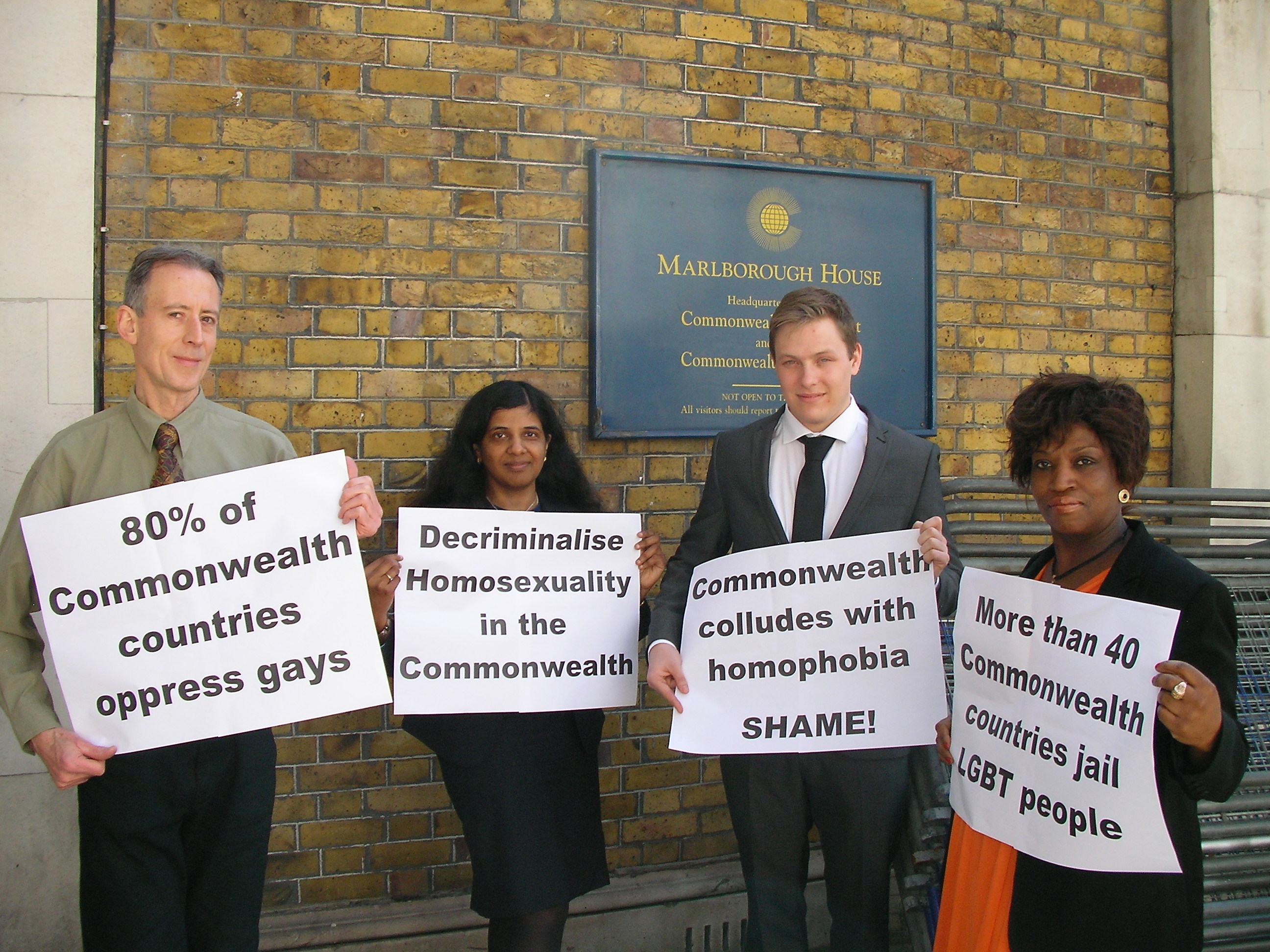
When the Queen opens the Commonwealth Games in Glasgow on 23 July it will be a joyous moment for athletes, spectators and a global audience of millions. But for many victims of human rights abuses in Commonwealth member states the celebrations will seem misplaced.

How can the Commonwealth be revered when human rights abuses are so widespread within it: often including detention without trial, torture, the death penalty, media censorship, sexist and ethnic discrimination and restrictions on the rights to protest, strike and freedom of expression?

Some of the most marginalised victims of persecution in the Commonwealth are lesbian, gay, bisexual, transgender and inter-sex (LGBTI) people.
Continue reading →

Minorities under Modi

By Yasmeen Aftab Ali

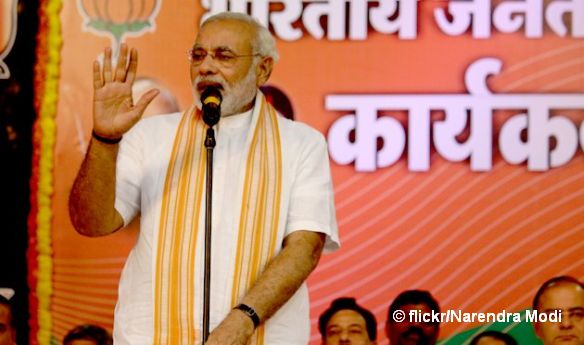
Narendra ModiOne of the first steps the Bharatiya Janata Party (BJP) is doing after new Indian prime minister Narendra Modi’s swearing in ceremony (if you ignore the telling off given to Pakistan prime minister Nawaz Sharif that India expected steps to be taken by the latter against ‘terrorist groups’) is to move to repealing of Article 370 of the Constitution of India, which grants special autonomous status to Jammu and Kashmir.

Coming hot on heels of two unsavoury incidents, this was not a very auspicious beginning. First, reported a day before Modi’s swearing in was the news of a protest by Rashtriya Hindu Andolan, a Hindu nationalist group, to ban Fajr Azaan Sanatan Sanstha activist Vijayalakshmi. This protest was a cry that India grants equal religious freedom to all; however, this must not mean followers of one religion disturbing the peace of the followers of other religions. Continue reading →

To build lasting peace, inter-religious dialogue is essential

By Dr. Debbie Weissman

On 8 June 2014, the Presidents of Israel and the Palestinian Authority, Shimon Peres and Mahmoud Abbas, joined Pope Francis for a program of prayer in the Vatican Garden. The three gentlemen, from three monotheistic traditions – Judaism, Islam, and Christianity –  recited prayers for peace, found in each of their traditional sources.

But in many religions, prayer is a verbalized commitment to certain values and goals for which the individual or the group is praying – a commitment that must be followed up with actions. In building a lasting peace, what is most important are the actions; but praying together may be a step in the right direction.

The International Council of Christians and Jews (ICCJ), a framework for dialogue that arose in Europe in the tragic wake of World War II and the Holocaust, has promoted positive inter-religious relations among majorities and minorities for almost seven decades.

Continue reading →