Refugee Week 2015: celebrate!

refugee weekBy GMA

There are lots of reasons for sadness this year’s #RefugeeWeek. According to Refugee Action, there are now more refugees worldwide than ever before; one in every 122 people worldwide is displaced from their home, and someone is forced to flee every two seconds. This year, more than 1,800 people have died trying to cross the Mediterranean, and more people set out into the unknown everyday.

And yet the theme for this year’s Refugee Week is celebrate. Why? Because behind all the sadness (and behind all the media scaremongering about ‘migrants’ which cannot see the story behind a refugee’s flight) there is something else which needs to be grasped – that is, that #RefugeesContribute.

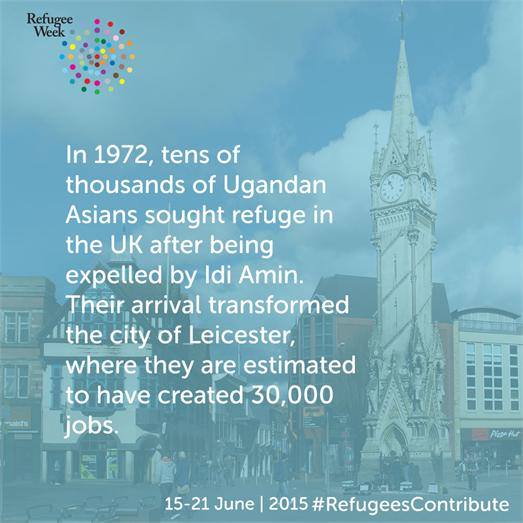
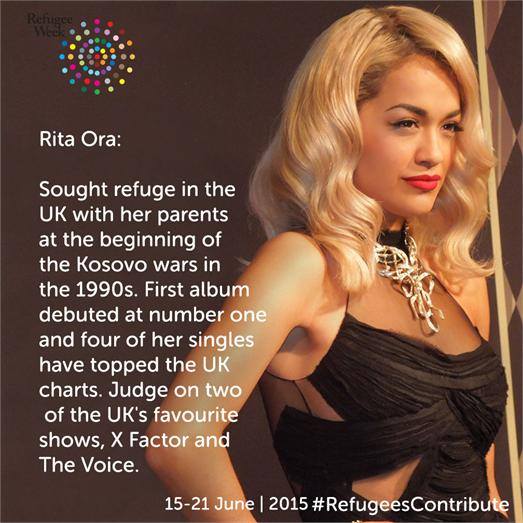
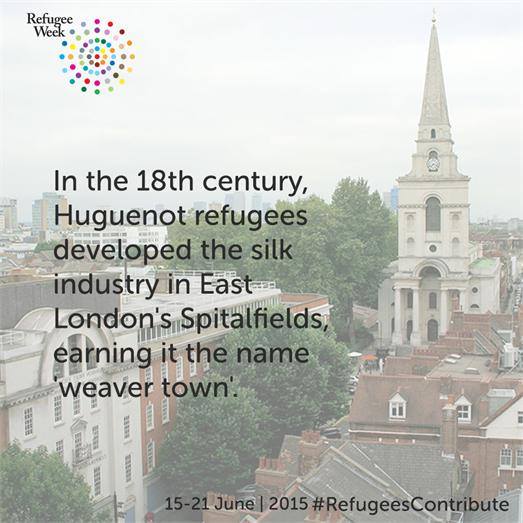
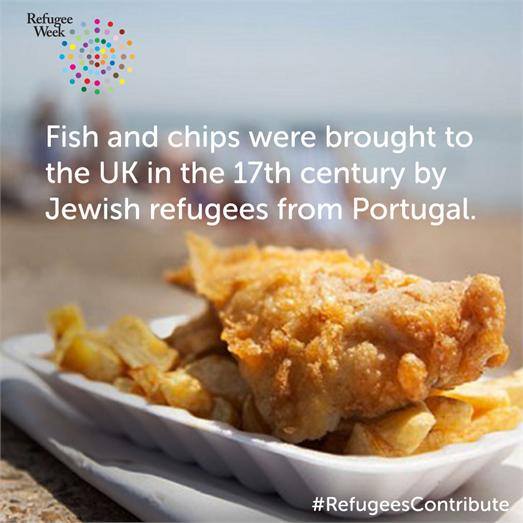
There’s the journey, there’s the fight to be recognised as being in need of protection, and then there’s integration into often new ways of life in a new country. It’s a process which requires resilience to get by, and this resilience often leads to refugees contributing way more back to a country than they supposedly ‘take’, as these images show:
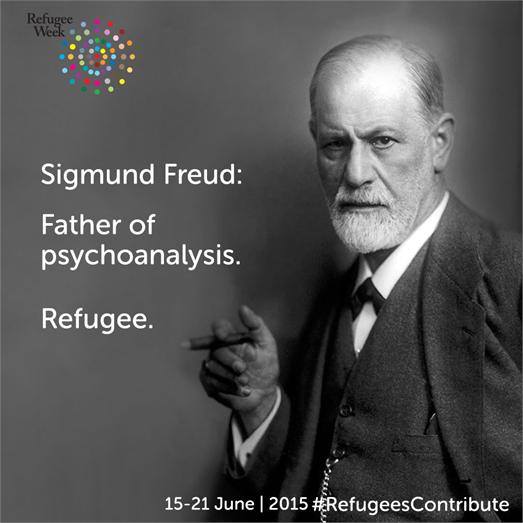
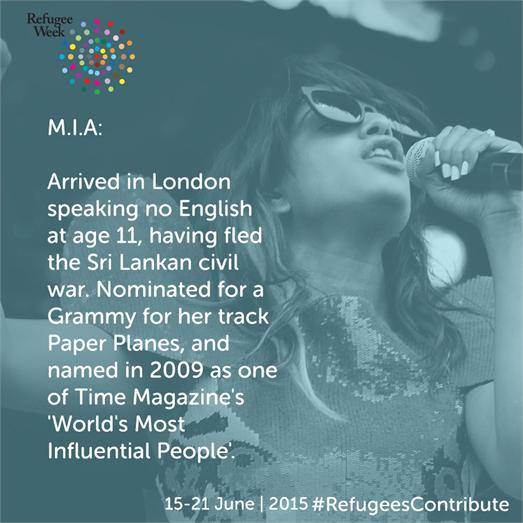
10360624_10153949505249377_3448472978362496321_n 10563098_10153949505259377_1259230812819714048_n 1461295_10153949505269377_2926693228431033240_n 11061240_10153949505279377_8726795237543755324_n 11401350_10153949505359377_934134908733752965_nAs well as these famous refugees and industries which sprang out of refugee communities, there are many thousands of refugees across the UK trying to make their new country a better place, as #RefugeeWeek shows.

#RefugeeWeek in Scotland has become such a large cultural event that this year (which is also the Scottish Refugee Council’s 30th anniversary) it became a Refugee Festival instead. More than 100 events across many different mediums (theatre, comedy, film, art, music, family events, community events, discussions, workshops, etc) celebrated what a diverse and welcoming place Scotland can be. The photos from the Welcome Tent which was erected in the city centre – which can be viewed here – show how positive the messages about refugees can be when celebration (rather than persecution) is focused on.

The world can be a dark place for people seeking safety at the moment, full of war and danger and discrimination. The news gets worse and worse; but that doesn’t stop refugees from finding safety, and succeeding against the odds.

So this year, for Refugee Week, celebrate the contributions refugees have made – and think about the contributions refugees will continue to make to our country.
The senseless rise of religious fundamentalism

  
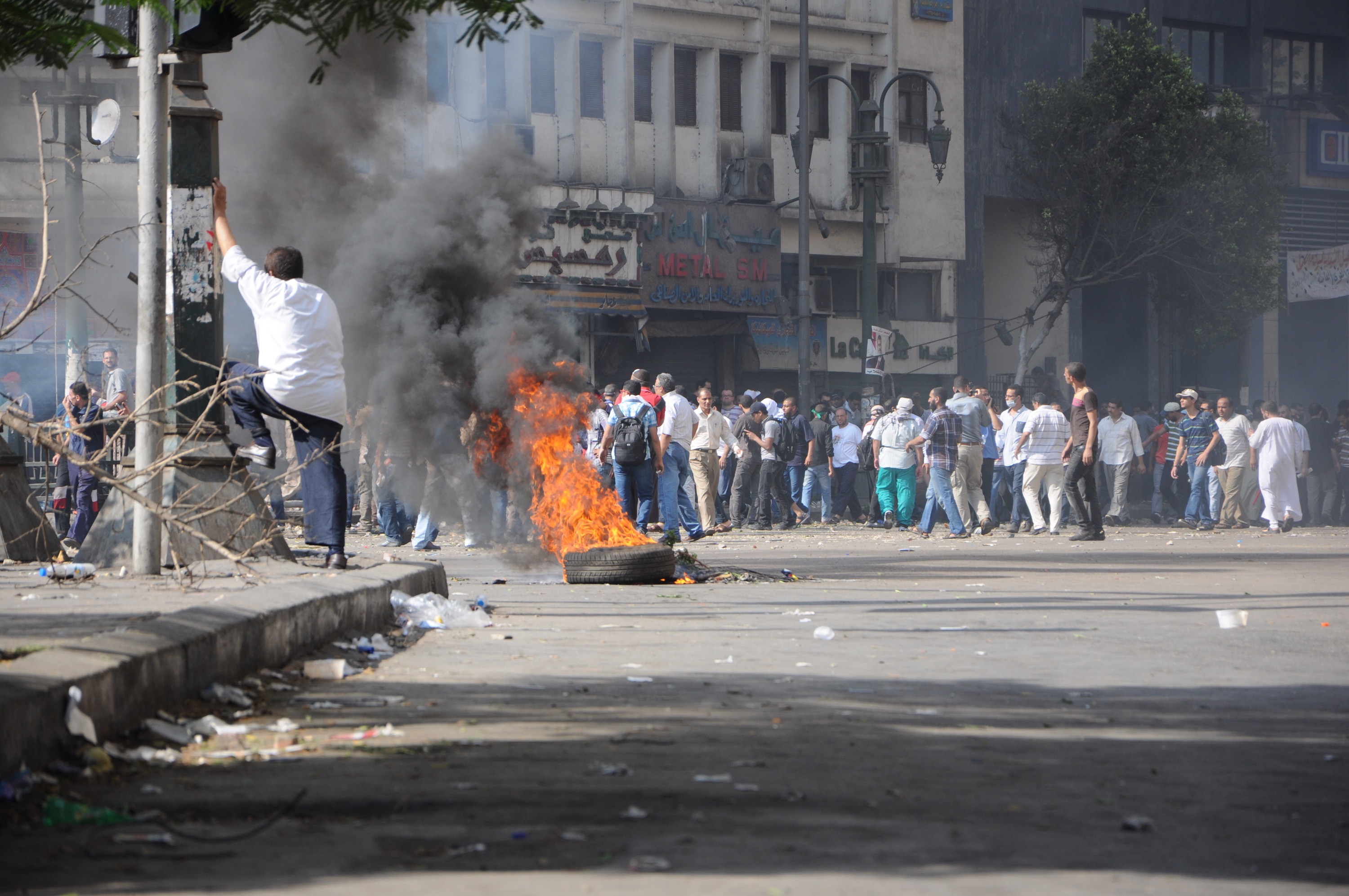
In recent past, more people have been killed in the name of religion than for any other thing in the world. Religion has become a symbol of death, terror and agony. Subsequently, a recent Pew Research “Changing U.S. Religious Landscape” shows the decline of religious affiliation in the United States. The study finds there are more adults who consider themselves ‘unaffiliated’ with any other form of religion than those who subscribe to a certain faith. This bludgeoning disaffection and disenchantment is partly the product of what we witness in the world around us – terror in the name of religion.

“Humanitarian crises fuelled by waves of terror, intimidation, and violence have engulfed an alarming number of countries over the past year”, maintains Commissioner Dr Katrina Lantos Swett of the United States Commission on International Religious Freedom (USCIRF).

In its 2015 annual report the USCIRF catalogues the horrors of religious led terror groups and their affiliates affecting millions of lives around the world. This axis of death and destruction of sheer human lives continues to haunt innocent children, women and men of all faiths around the world.

Continue reading →

The ugly face of European elitism

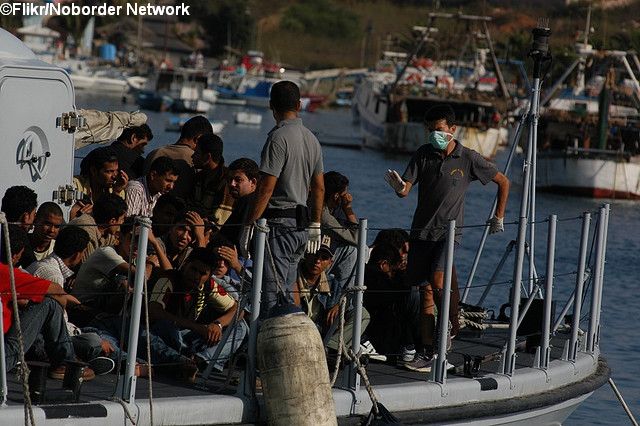
refugee boat

By Monique Bouffé

#refugeeboats #lampedusa #Mediterranean ‘#GMABlog #JeSuisUnRéfugié

A couple of weeks ago, yet another boat filled with refugees trying to reach Europe capsized, confirming the deaths of almost 700 people. It is unlikely that we will ever find out their names or whether they left families behind in their attempt to live free or war and persecution; families who will never know if their sisters, husbands, wives or children ever made it to the safe haven of the European Union.

To call the response inadequate would be a gross understatement. Various statements were made; the EU called for ‘urgent action’, politicians tweeted their sympathies (although one wonders whether they were more concerned with the burden of refugees who survived than those who did not) and the European Council came up with a ‘ten point plan’ after a thoroughly disappointing emergency summit.

A tangible and humane response failed to appear. Compare this to the downing of the MH17 flight or the Charlie Hebdo attacks, where countries went into national mourning and where we learned the personal information and stories of the victims to sympathise with the families and comprehend the severity of their loss. Triton (the Mediterranean border control/rescue operation) has not been significantly enlarged, campaign slogans advocating stricter immigration controls have not been removed and we certainly do not see thousands of people crowding the streets shouting “Je suis un réfugié.”

Continue reading →