The ‘normal’ negotiating of religious texts towards domestic violence

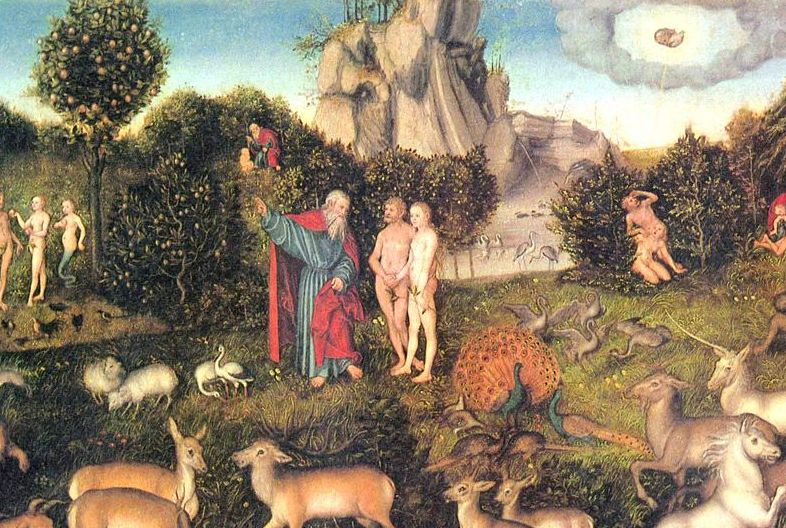
Garden of Eden

Picture: “The Garden of Eden” by Lucas Cranach der Ältere

   Women and men are equally made in the image of God; however in theological teachings of religious texts throughout the world, the two beings sit separately from each other. Dr Elizabeth Koepping, a Priest and theological lecturer who has taught at the University of Edinburgh, conducted extensive research on the subject of church responses to domestic violence. This article will share her findings as a necessary dimension in tackling the phenomenal scale of global gender inequality.

 “It would be better to be dead than for me to leave. Even if I die, I stayed with my husband, and I will go to heaven as a reward because I endured”. [Research participant]

Dr Elizabeth Koepping from the English Church in Heidelberg, Germany has conducted research in Tonga, Burma, Korea, Ghana, Germany, India, Trinidad and Scotland on the subject of domestic violence in Christian contexts, and the perfectly normal cultural negotiating of religious texts. Her findings from qualitative interviews and observations underpin the unjust and widespread manipulation of readings by Church members in response to experienced violence. This is leaving women to bear continued or new dangers in countless areas of the world. Can this not be viewed as disobeying the faith while diminishing the value of equality set out by God himself?
Continue reading →

The violence of disbelief

Protection gap

By GMA

#GMABlog #GenderBasedViolence #InternationalWomen’sDay #IWD #refugeewomen

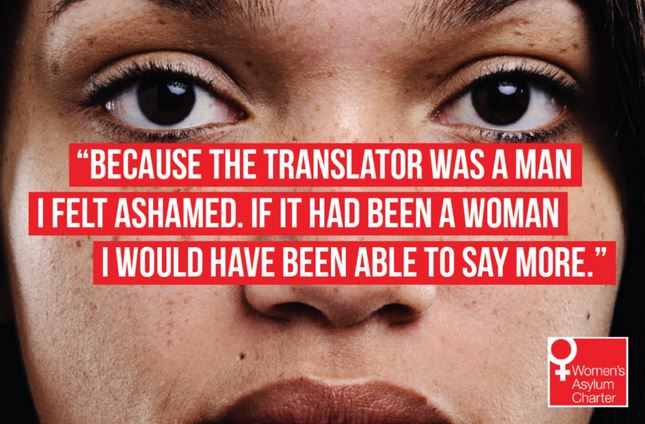
Today (Sunday 8 March) is International Women’s Day, and for all those who question whether there should be a day specifically for women in a modern age of equality, consider this: worldwide, women aged 15-44 are more at risk from rape and domestic violence than they are from cancer, car accidents, war and malaria.

And, within that shocking statistic, there is a group which is even more at risk: refugee women. A 2012 Refugee Council study found that nearly 60% of all the women they worked with had experienced gender-based violence in their own countries.

So what does that mean? It means that women coming to the UK to claim asylum have faced many, many challenges and heartbreaking situations before they even arrived here. They have often faced gender based violence in many difference forms – rape (by strangers, by family members, by husbands, by people who want to ‘correct’ their homosexuality), female genital mutilation, forced marriage, trafficking, domestic violence, and sexual assault.

Continue reading →

Girls are made perfect – Say No! to FGM

“I feel that God made my body perfect the way I was born. Then man robbed me, took away my power, and left me a cripple. My womanhood was stolen. If God had wanted those body parts missing, why did he create them?”  Waris Dirie

Friday 6th February 2015 marked the 12th International Day of Zero Tolerance for FGM. 140 million women and girls worldwide underwent brutal practice of Female Genital Mutilation (FGM); another 3 million are at risk yearly to face the excruciating pain of their genitalia being removed partially or even completely for no medical reason but to obey tradition and social pressures.

The archaic practice to prevent girls from “being ill-mannered and doing bad things, and being badly behaved”, is carried out in 29 countries which are primarily concentrated in Africa and the Middle East. In violation of human rights of women and girls the procedure is generally carried between infancy and age 15.

One quarter of all FGM worldwide is carried out in Egypt; 91% of all married women there have been mutilated and that despite the fact that the practice had been made illegal in 2008. Even though the practice includes many risks including cysts, infections, infertility as well as complications in childbirth and increased risk of newborn deaths, it has persisted for over a thousand years. Continue reading →