Another blow of the machete to free speech and democracy in Bangladesh

9614160500_2d5664fded_z

By Ophelia Chatterjee

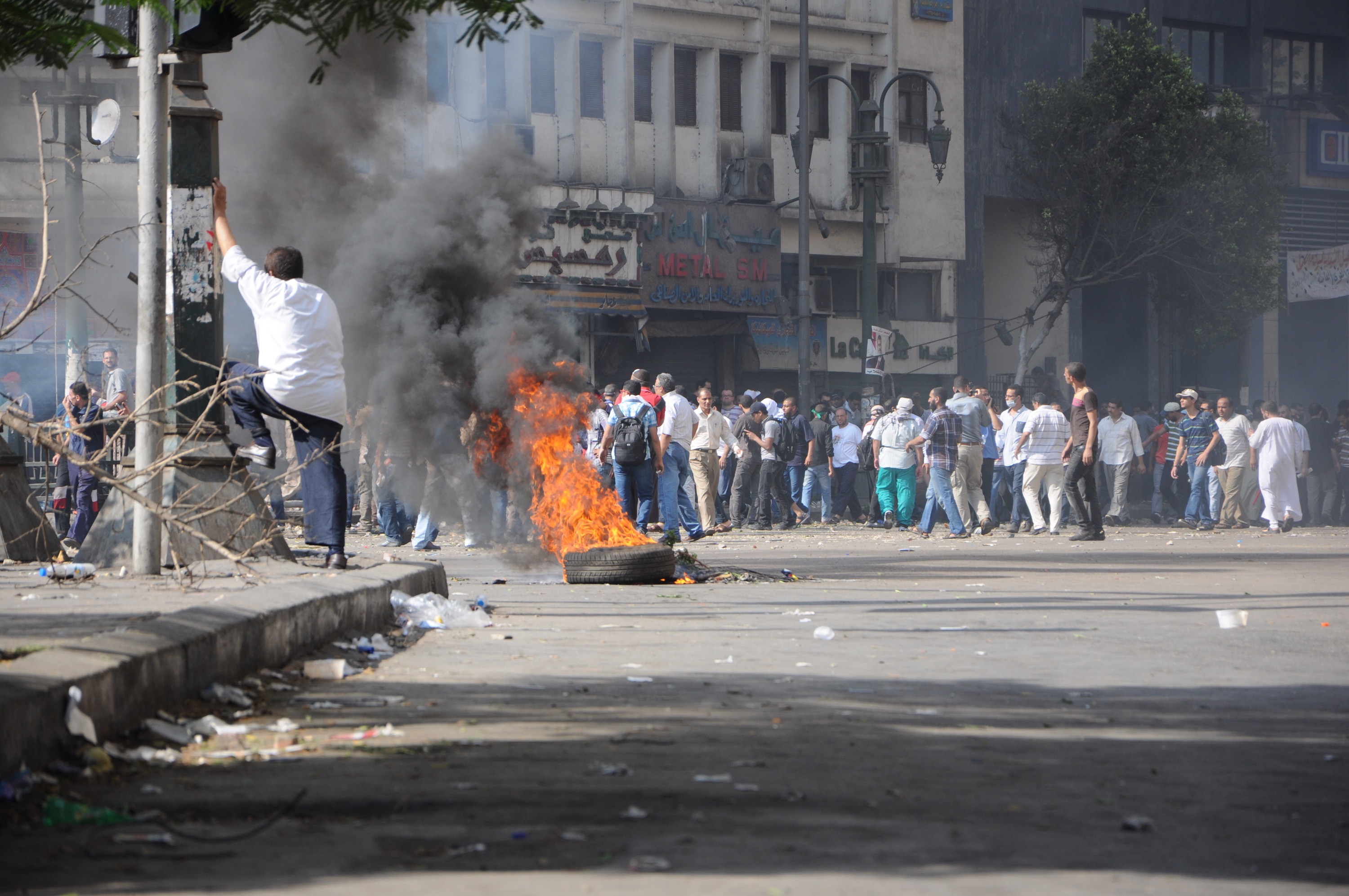
“No one should cross the limit” announced Bangladesh’s Inspector General of Police earlier this month. In the wake of the murder of Niloy Neel, the fourth secularist Bangladeshi blogger to be hacked to death this year, this may seem both an attempt to close the stable door on escalating fundamentalist violence after it has already bolted, and a wilful understatement given the horrific severity and increasing incidence of such attacks.

But astonishingly, the senior officer was not sanctioning the perpetrators of the attacks, but rather warning activists to censor themselves if they want to avoid being placed on one of several hit lists – the likes of which have already proven fatal for Neel and three others this year alone. This barely tacit official justification for fatally attacking and maiming people for expressing their views is a stark indication of both the source and scale of the problem currently being faced in Bangladesh. Global Minorities Alliance has joined hands with the International Humanist and Ethical Union, signing an open letter to the Bangladeshi Prime Minister and president calling on them to condemn this victim blaming narrative.

The government and constitution of the Muslim majority country are ostensibly secular, and have been since Bangladesh’s hard-won independence from Pakistan in 1971. However, activists such as Imran Sarker have accused those currently in power of channelling more energy into the hounding of secularists in the name of ‘defending Islam’, than reining in groups such as the militant Ansarullah Bangla Team who have claimed responsibility for the horrific attacks. This flaccid commitment to the protection of freedom of speech and democratic values has intensified in tandem with a sudden surge in attacks on secularist activists in the last two years. The 2010 establishment of a war crimes tribunal forced the country to grapple with its considerable lack of internal consensus over the role of religion in politics, and since 2013 eight bloggers have been violently attacked. Reports have emerged that prior to his murder Neel expressed his fear that he would be targeted to the police. According to Taslima Nasreen, the only assistance offered in response was the advice that he should leave the country. Contrast this with the prompt arrest of journalist Probir Sikdar just last week, who accused a cabinet minister of committing war crimes during the war for independence – it seems that the police are still on higher alert for the crime of “cast[ing] aspersion on a minister using information technology” than for taking action against those perpetuating the current bloodbath. Angry accusations that the government is pandering to hard-line elements within Bangladesh’s Muslim majority are becoming increasingly difficult to rebuff.

The roots of this recent escalation are complex, and heavily related to the Pandora’s box of carnage and instability clumsily unleashed by US and UK led intervention across neighbouring regions in recent decades. In a year in which Human Rights Watch has despairingly observed that “it can seem as if the world is unravelling”, these events form just a small part of the patchwork of instability, turmoil and bloodshed that has swept across the Middle East and parts of Asia and Africa.

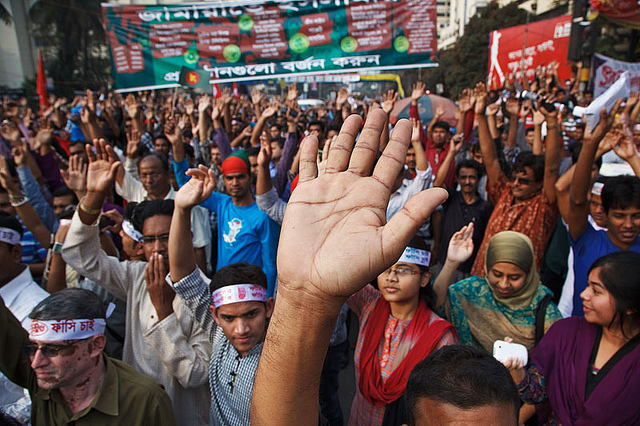
The GMA Blog seemed a fitting place to discuss these appalling attempts to silence expression of dissident views online. These events have been a stark reminder that we are lucky to be living in a place and time where we have the luxury to be able to take protection from this for granted – however, we should not be complacent, and should continue to challenge attempts to undermine this right wherever they appear. This may be in the guise of the UK Conservative government’s more-than faintly sinister counter-extremism bill at home, or further afield. As many in Bangladesh are currently urging, it is not simply a case of whether the keyboard is mightier than the machete, but whether governments at home and around the world will begin to accord all their citizens the protections due to them, regardless of their political or religious affiliation.
Pakistan must end Aasia Bibi’s ordeal

5191871329_f7a313bb40_o

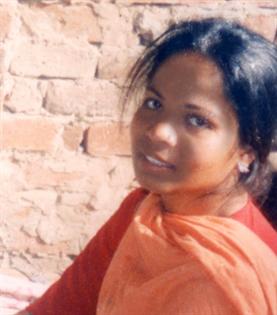
Aasia Bibi, a mother of five accused of blasphemy, will have her last chance of a court appeal hearing on the 22nd July 2015. The poor Christian mother was implicated in Pakistan’s draconian blasphemy laws after she had an argument with her Muslim co-workers in June, 2009. 

Global Minorities Alliance (GMA), a Glasgow based organisation which fights for persecuted minorities, is calling on Pakistan’s Prime Minister, Nawaz Sharif, to ensure a safe passage and rule of law to the poor mother. She has been on the verge of death due to medical conditions.

Imprisoned mother and wife Aasia Bibi has been languishing in prison since 2009 in solitary confinement which has had a considerable effect on her health.  She is reported to have internal bleeding and is ‘spewing blood’ due to poor health conditions.  In Pakistan, those accused of blasphemy are often poisoned, beaten and sometimes killed by fellow inmates or even by radicalised policemen who feel its their ‘obligation’ to kill those accused of blasphemy.

It is also believed that a bounty has been placed on her head by radical Muslims who believe that Aasia Bibi should be killed even if she is released by the court. The price on Bibi’s head, even though it may be as low as £60, poses an additional threat to her and her family. 

 In a message of support and solidarity, Fareed Ahmad, National Secretary of External Affairs of Ahmadiyya Muslim community UK told Global Minorities Alliance: 

“It is deeply distressing that Aasia Bibi has been on death row in Pakistan for nearly 6 years due to charges of blasphemy. The founder of Pakistan Mohammad Ali Jinnah was a passionate advocate for freedom of religion and it is shocking to see how far the country has moved away from such noble principles.”

Commenting on the blasphemy laws, which are instruments of persecution for all minorities, Mr Ahmad said:

 “The blasphemy laws are a blot on Pakistan’s landscape and are simply used to settle personal disputes. The blasphemy laws have no basis in Islam and should be repealed. Islam promotes freedom in matters of faith and we pray that Aasia Bibi is granted clemency and released. We also pray that all Christians in Pakistan are granted full freedom to practise their faith and live in complete peace.”

 Manassi Bernard, Global Minorities Alliance Chief Executive, said:

“It is appalling how drinking a glass of water and the argument which ensued could result in solitary confinement for six years with death threats from within the prisons and from the outside world. Aasia Bibi has become an embodiment of persecution and oppression and she should be given safe passage and rule of law.”

“Aasia bibi is an embodiment of determination, faith and courage in the face of persecution. We urge Pakistan’s government to end the misery and persecution of this poor mother, Aasia Bibi, and ensure a safe passage to security so that she can re-start her life with her family without fear and death threats.”

See Global Minorities Alliance full song in support and solidarity with Aasia Bibi written, composed and sung by GMA’s members https://www.youtube.com/watch?v=2kHtmsPgGik

Free Aasia Bibi Song
Members of Global Minorities Alliance wrote, composed and sang this song in support and solidarity of poor mother of five on death row in Pakistan over blasp…

The senseless rise of religious fundamentalism

  
In recent past, more people have been killed in the name of religion than for any other thing in the world. Religion has become a symbol of death, terror and agony. Subsequently, a recent Pew Research “Changing U.S. Religious Landscape” shows the decline of religious affiliation in the United States. The study finds there are more adults who consider themselves ‘unaffiliated’ with any other form of religion than those who subscribe to a certain faith. This bludgeoning disaffection and disenchantment is partly the product of what we witness in the world around us – terror in the name of religion.

“Humanitarian crises fuelled by waves of terror, intimidation, and violence have engulfed an alarming number of countries over the past year”, maintains Commissioner Dr Katrina Lantos Swett of the United States Commission on International Religious Freedom (USCIRF).

In its 2015 annual report the USCIRF catalogues the horrors of religious led terror groups and their affiliates affecting millions of lives around the world. This axis of death and destruction of sheer human lives continues to haunt innocent children, women and men of all faiths around the world.

Continue reading →