The senseless rise of religious fundamentalism

  
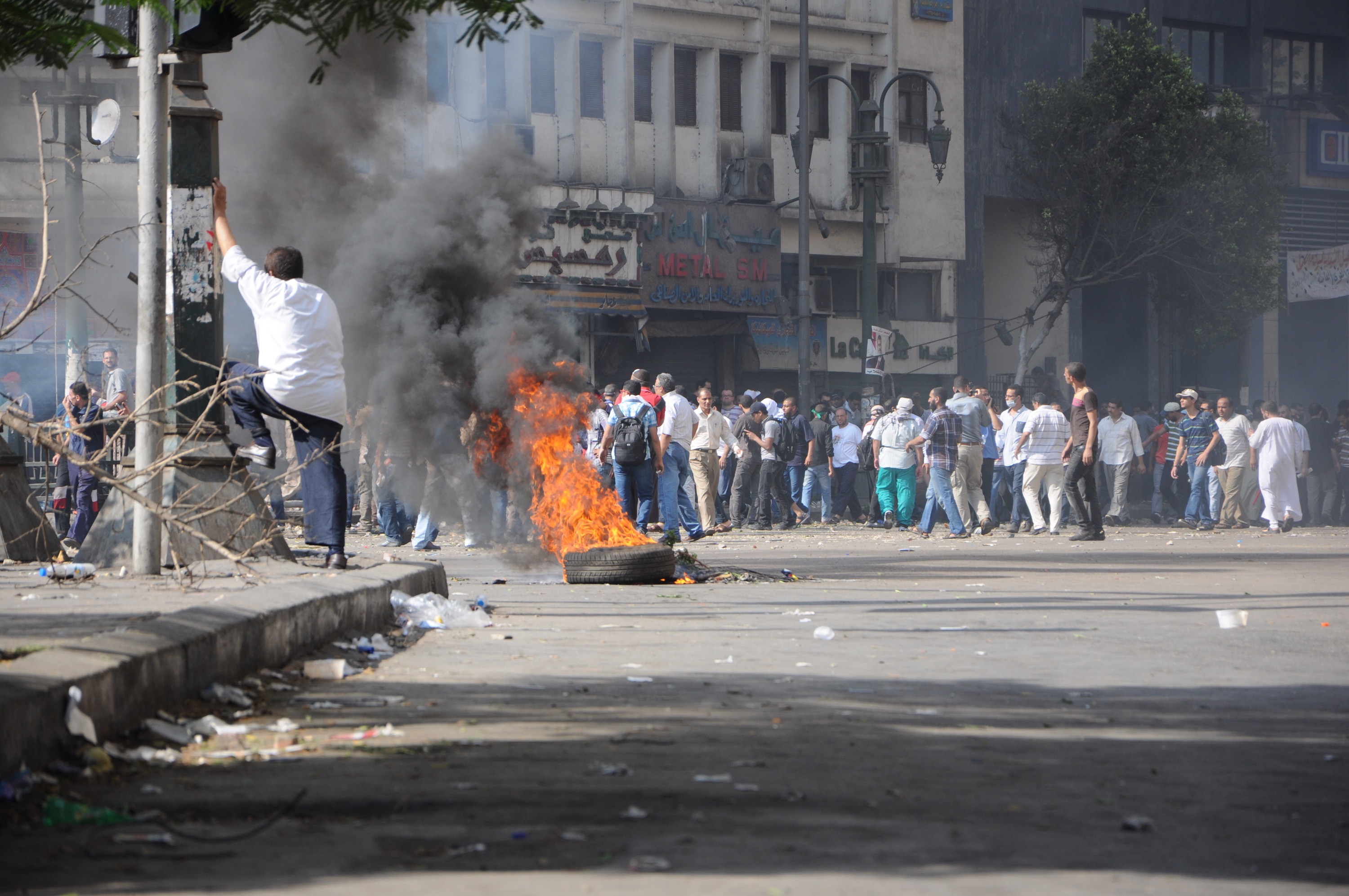
In recent past, more people have been killed in the name of religion than for any other thing in the world. Religion has become a symbol of death, terror and agony. Subsequently, a recent Pew Research “Changing U.S. Religious Landscape” shows the decline of religious affiliation in the United States. The study finds there are more adults who consider themselves ‘unaffiliated’ with any other form of religion than those who subscribe to a certain faith. This bludgeoning disaffection and disenchantment is partly the product of what we witness in the world around us – terror in the name of religion.

“Humanitarian crises fuelled by waves of terror, intimidation, and violence have engulfed an alarming number of countries over the past year”, maintains Commissioner Dr Katrina Lantos Swett of the United States Commission on International Religious Freedom (USCIRF).

In its 2015 annual report the USCIRF catalogues the horrors of religious led terror groups and their affiliates affecting millions of lives around the world. This axis of death and destruction of sheer human lives continues to haunt innocent children, women and men of all faiths around the world.
Continue reading →

Tackling militant Islamism means also confronting its non-violent forms

Sept 11

By Elham Manea

#Islamism #Extremism #HopeNotHate #Radicalisation #GMABlog

The call is often from a worried teacher. They are noticing changes in students from immigrant backgrounds. Before, they defined themselves by nationality, as Kosovars, Bosnians or Turks, now they say they are Muslims. Before, they took part in art classes, now they insist their religion prohibits art. Then there’s a second change: these young men and women start to talk of a war against Islam that targets Muslims – targets them.

When I listen, I remember myself as a 16-year-old, the daughter of a diplomat from a secular family, coming back to my home country, Yemen, after four years in Morocco. It was 1982 – a period that saw the mushrooming of Islamist ideology in North Yemen. I was fascinated by a religious group led by a charismatic young woman of 17. The group met in the schoolyard. I would later learn it was part of a strong Islamist movement that saw Salafists work hand-in-hand with the Muslim Brotherhood.

The sessions were fascinating. Our leader explained about the love of God. The moment we enter into Islam, she said, all our sins are washed away and we become equal. The fate of those who are not Muslims was never mentioned. She told us that we could be better people if only we embraced the message of Islam – the true Islam, not the corrupted form of our society. For a teenage girl, lacking direction, the message was mesmerising, and I embraced it wholeheartedly.

The changes in me were gradual. It started with language. Instead of greeting others with ‘good morning’ or ‘good evening’, I used only the salute of Islam: ‘assalamu alaikum’, peace be upon you. Later I would learn that this salute is only reserved for Muslims. “Do not use it with non-Muslims,” I was told.

Continue reading →

The ugly face of European elitism

refugee boat

By Monique Bouffé

#refugeeboats #lampedusa #Mediterranean ‘#GMABlog #JeSuisUnRéfugié

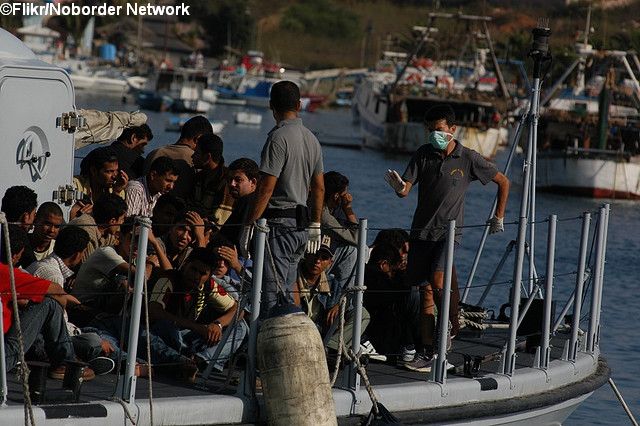
A couple of weeks ago, yet another boat filled with refugees trying to reach Europe capsized, confirming the deaths of almost 700 people. It is unlikely that we will ever find out their names or whether they left families behind in their attempt to live free or war and persecution; families who will never know if their sisters, husbands, wives or children ever made it to the safe haven of the European Union.

To call the response inadequate would be a gross understatement. Various statements were made; the EU called for ‘urgent action’, politicians tweeted their sympathies (although one wonders whether they were more concerned with the burden of refugees who survived than those who did not) and the European Council came up with a ‘ten point plan’ after a thoroughly disappointing emergency summit.

A tangible and humane response failed to appear. Compare this to the downing of the MH17 flight or the Charlie Hebdo attacks, where countries went into national mourning and where we learned the personal information and stories of the victims to sympathise with the families and comprehend the severity of their loss. Triton (the Mediterranean border control/rescue operation) has not been significantly enlarged, campaign slogans advocating stricter immigration controls have not been removed and we certainly do not see thousands of people crowding the streets shouting “Je suis un réfugié.”

Continue reading →