Baha’i Youth Conference Scotland 2014 ‘to inspire a generation for a better world’

Press Release 

For Immediate Use

Dundee, Scotland: A conference organised by the Baha’i Council for Scotland aimed to equip and assist young people across Scotland, to bring a positive change in them and in their respective communities.

The youth conference, held in Dundee from 31 October to 2 November, focused on how to bridge gaps, build friendships and become better citizens of our communities and societies. It was a follow up to a larger series of international events organised by the Baha’i community which over fifty thousand young people from all around the world attended.

The material used in the conference was inspired by the founder of the Baha’i faith, Bahá’u’llah, who taught his followers to treat fellow beings with love and respect.

The participants of the conference were aged between 18 and 30. They came from different faiths, backgrounds, races, religions and cultures, and all participated with eagerness and interest.

The group was encouraged to reach out to children in the formative age range of 12-15 who may need support, advice and guidance from their older peers, to help them make good choices, improve their situation and improve their communities.

The attendees were asked to model plans to build up a society, which was then presented to the whole group.
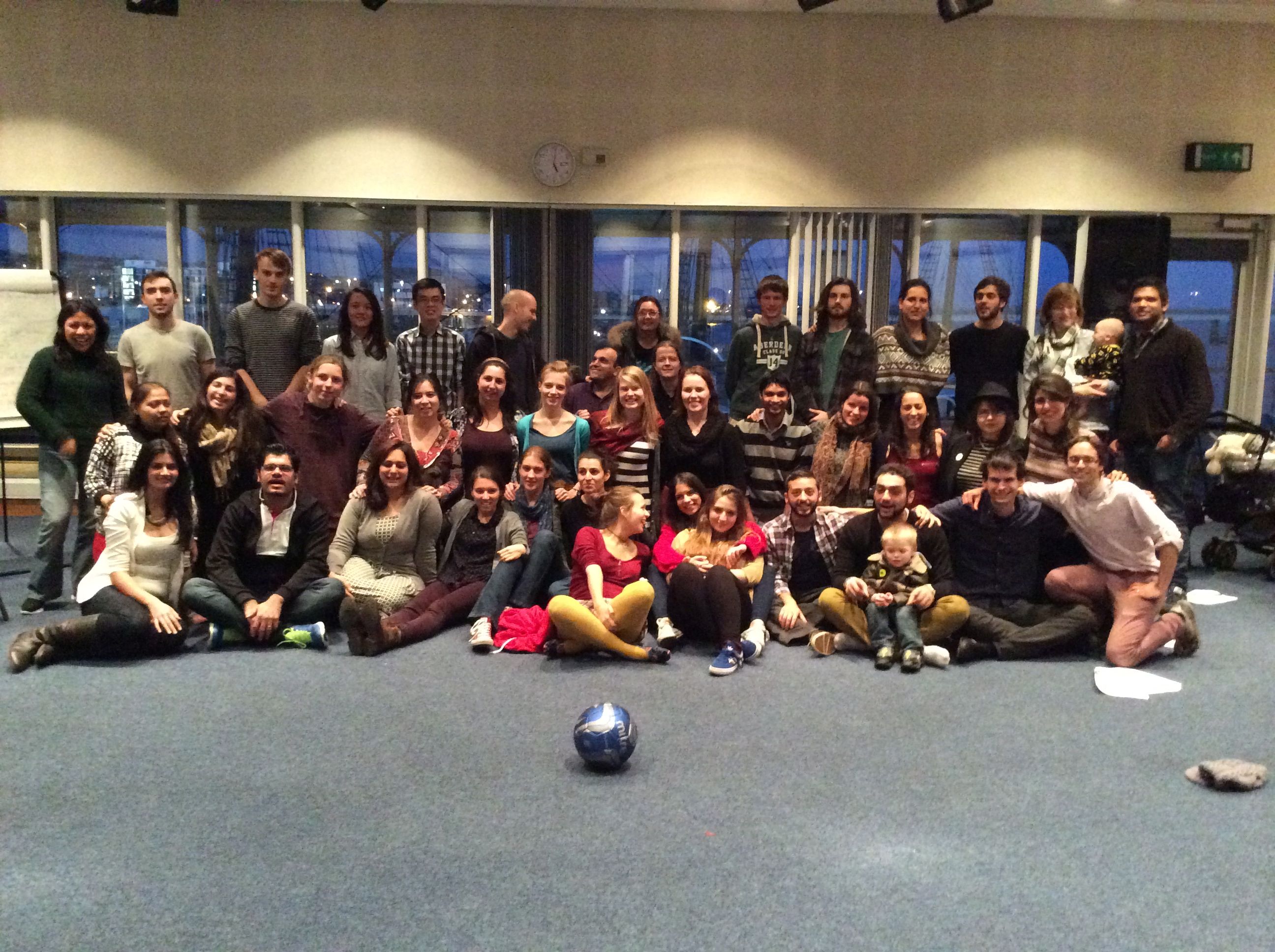
Participants of the Baha'i Youth Conference Dundee 2014

Participants of the Baha’i Youth Conference Dundee 2014

Global Minorities Alliance Chief Executive, Manassi Bernard, said of the event:

“Youth is the future of our world. We need to invest our resources, time and support into such positive community led initiatives where their potential can be maximised and their efforts appreciated to bring a change.

Vice-Chairperson of the Alliance Shahid Khan, who also attended the conference on behalf of the Alliance, added:

“We are thankful for this wonderful opportunity given by the Baha’i Council for Scotland, which has engaged our youth in a positive, constructive and useful manner.”

Mr Khan also applauded the spirit of the Baha’i community which extends the values of tolerance, respect and understanding to people of all backgrounds.

Allan Forsyth, Secretary of the Bahá’i Council for Scotland, said that “it was so encouraging to see youth coming together with a desire to make a difference in the world and a shared vision of how this can happen. We are delighted that members of organisations with a similar vision, such as Global Minorities Alliance, participated, as our powers are multiplied when we work together with others”.

Ends

For more information about the event click here : http://goo.gl/II3CcG
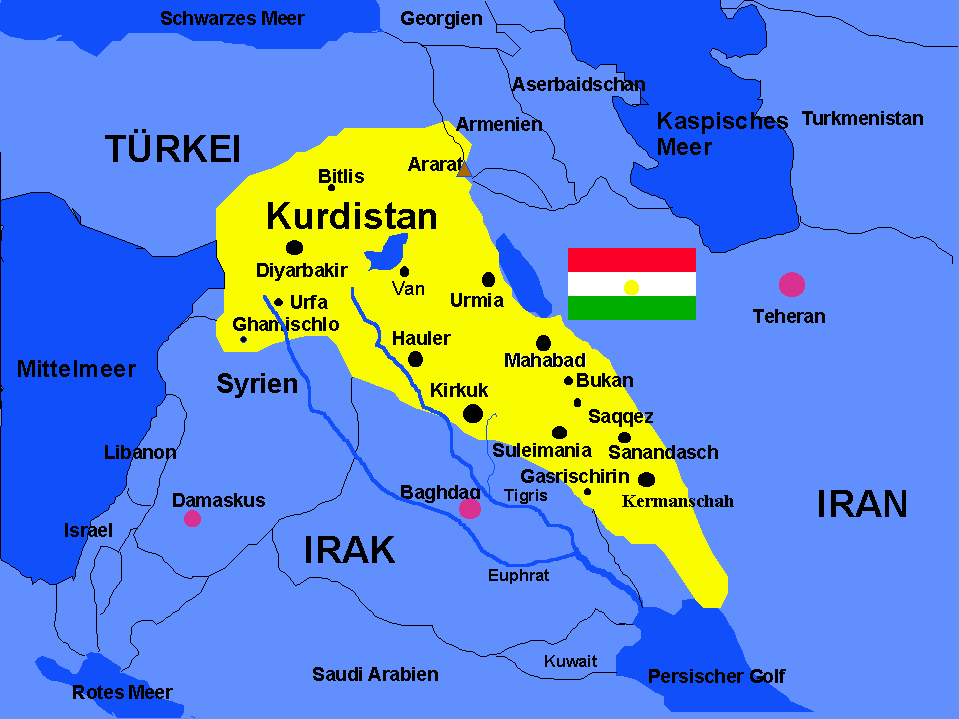
Decades long persecution of Kurds – An Overview

kurdistanBy Aso Fotoohi

  Kurdistan refers to a geographical area in Middle-East of which the residents are predominantly Kurdish people. The land of Kurdistan- has been divided between four countries Iran, Turkey, Iraq and Syria.

In Iran, the majority of the population are Persian, In Iraq and Syria Arab, and in Turkey Turks. This makes Kurdish people fall into the category of ethnic minorities in all these countries. As an ethnic minority, Kurdish people have been completely marginalised and excluded from any sort of social and political power. Furthermore, for centuries, the central governments of Iran, Iraq, Turkey and Syria have put a great effort to ethnically cleanse out Kurdish people. Not only the central governments, but also the other socio-political dominant powers within these countries have been institutionally discriminated Kurds.

All the social and cultural institutions and powers including education, media, military and political forces have been recruited to ethnically cleanse Kurdish people in Middle-East. Let us not forget that we are talking about a population of 40 million Kurdish people which is a fact that makes it more and more difficult for the oppressors to deny their human rights as an ethnic minority. However, during the history of Middle-East, the central governments have shown no hesitation in using all sorts of actions, although against the very fundamental principles of human rights, to oppress and marginalise Kurdish people. These include military attacks on unarmed people and massively executing innocent people in different historical periods. To name a few, the Anfal campaign which was led by Saddam Hussein in Iraq was particularly aimed to cleanse out Kurdish ethnicity. The Anfal campaign began in 1986 and lasted until 1989; it included the use of ground offensives, aerial bombing systematic destruction of settlement mass deportation, firing squads and chemical warfare  which earned al-Majid the nickname of “Chemical Ali”. Thousands of civilians were killed during the anti-insurgent campaigns stretching from the spring of 1987 through the fall of 1988. The attacks were part of a long-standing campaign that destroyed approximately 4,500 Kurdish and at least 31 Assyrian villages in areas of northern Iraq and displaced at least a million of the country’s estimated 3.5 million Kurdish population.

Continue reading →

Global Threats to Freedom of Religion or Belief: Panel and Luncheon Featuring Special Rapporteurs Heiner Bielefeldt and Rita Izsák

NGO Committee on Freedom of Religion or Belief in NY's avatarNGO Committee on Freedom of Religion or Belief

The NGO Committee on Freedom of Religion or Belief, in collaboration with the International Center for Law and Religion Studies of Brigham Young University, will host a discussion and luncheon on Thursday, October 23, 2014, featuring the Special Rapporteur on Freedom of Religion or Belief, Heiner Bielefeldt, and the Special Rapporteur on Minority Issues, Rita Izsák. The discussion will center on global threats to freedom of religion or belief, especially for religious and nonreligious minorities.

View original post 102 more words